
Professionals vs. DIY...
Choosing between professional pest control and a do-it-yourself (DIY) approach depends on the severity of the infestation, the specific pest, and your budget.
When to Choose DIY
You are dealing with minor, seasonal pests like occasional ants in the kitchen or fruit flies.
You want basic preventive measures, such as setting out sticky traps or spraying basic perimeter barriers.
Feature | Professional Pest Control | DIY Pest Control |
Upfront Cost | Higher initial cost (recurring plan or service fee). | Lower initial cost (over-the-counter sprays, traps, baits). |
Long-Term Cost | Often lower for major infestations due to lasting solutions and guarantees. | Can become expensive if trial-and-error products fail to solve the root problem. |
Effectiveness | High; uses commercial-grade materials, targeted methods, and structural exclusion. | Moderate to Low; ideal for small, isolated surface issues or preventive maintenance. |
Time & Effort | Low hands-on effort; technicians manage inspection, application, and cleanup. | High hands-on effort; requires active monitoring, research, and repeated treatments. |
Target Pests | Essential for destructive or dangerous pests (bed bugs, termites, persistent rodents, wasps). | Suitable for minor occasional pests (ants, small spiders, fruit flies). |
Safety | High safety protocols; technicians are licensed to handle regulated chemicals properly. | Risk of misuse; incorrect application of chemicals can endanger pets, children, or indoor air quality. |
Understanding the Issue in Commercial Properties
The problem is confined to one specific small area, which can significantly impact the overall management and operation of commercial properties. Here are some key considerations for property managers dealing with localized issues:
Identifying the Problem
Conduct a thorough assessment of the affected area to determine the extent of the issue.
Engage with tenants and stakeholders to gather feedback and insights.
Document any specific incidents or complaints related to the problem.
Impact on Tenants
Evaluate how the localized problem affects tenant satisfaction and retention.
Communicate transparently with tenants about the issue and the steps being taken to address it.
Consider potential compensation or incentives for affected tenants to maintain goodwill.
Mitigation Strategies
Develop a targeted action plan to resolve the issue efficiently.
Coordinate with local authorities or service providers if the problem is related to public infrastructure.
Implement preventive measures to avoid recurrence of similar issues in the future.
Monitoring and Evaluation
Establish a timeline for addressing the problem and set clear milestones.
Regularly monitor the situation and adjust strategies as necessary based on feedback and results.
After resolution, conduct a follow-up assessment to ensure the issue has been fully addressed.
Conclusion
Addressing localized issues in commercial properties requires a proactive and systematic approach. By understanding the problem, engaging with tenants, and implementing effective strategies, property managers can minimize disruption and maintain a positive environment for all stakeholders involved.
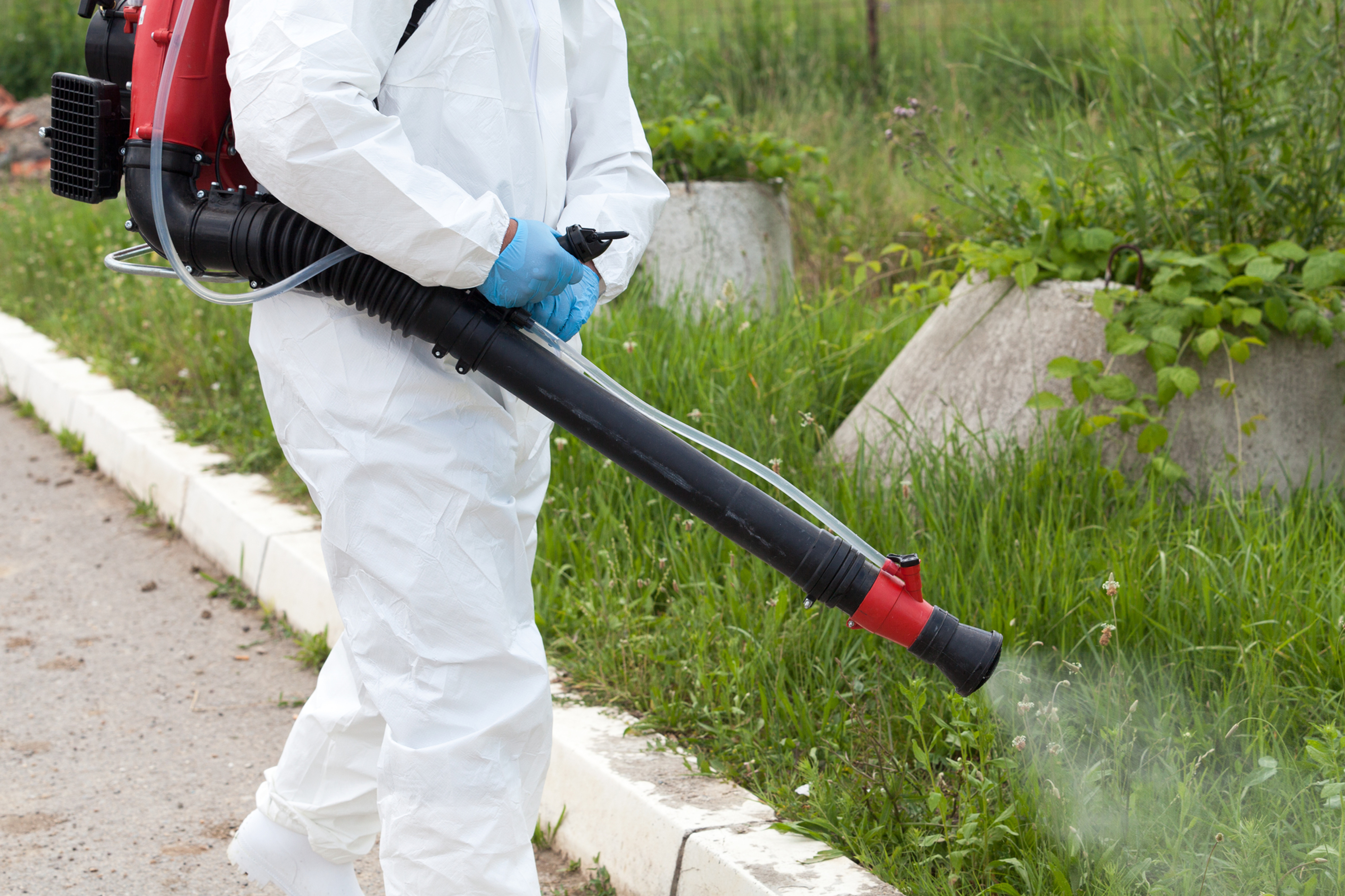
When to Call a Professional
You suspect wood-destroying organisms like termites or carpenter ants.
You are dealing with pests that spread rapidly and resist typical treatments, such as bed bugs or German cockroaches.
You have a rodent infestation requiring structural sealing, entry point identification, and sanitary cleanup.
The infestation persists after multiple DIY attempts.



Comments